
Buying Historic Homes in Cincinnati: What Buyers Should Know
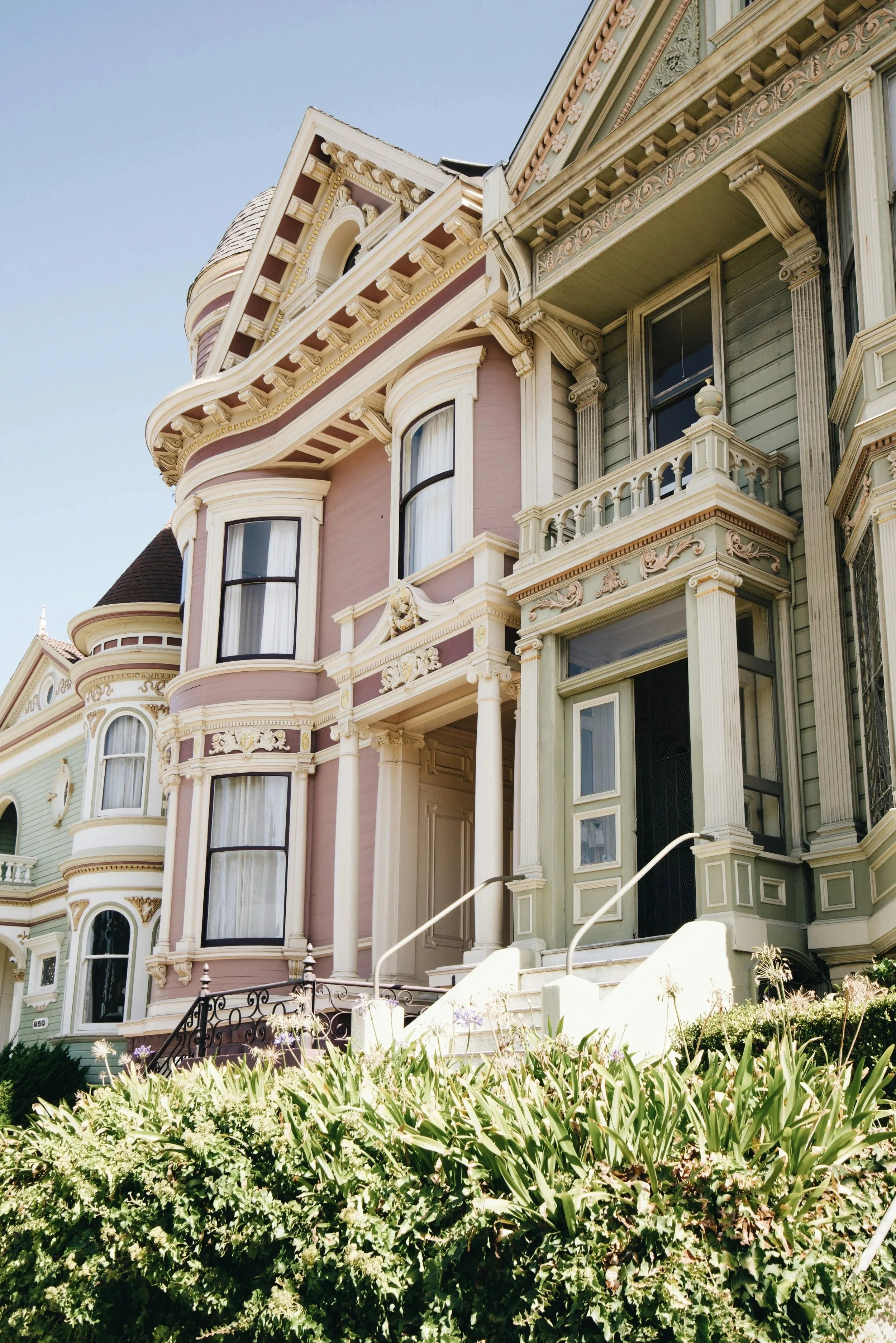
Cincinnati has one of the best collections of historic homes in the Midwest. From Italianate and Victorian architecture to early Craftsman homes, many of the city’s most desirable neighborhoods are full of character you simply can’t replicate in new construction.
But buying an older home is different from buying a newer build — especially in neighborhoods like Northside, Walnut Hills, Clifton, Hyde Park, Mount Auburn, and Covington, where historic architecture remains a major part of the area’s character.
Here are a few things buyers should keep in mind when considering a historic home in Cincinnati.
Character Comes With Maintenance
Older homes often feature original hardwood floors, plaster walls, detailed woodwork, stained glass, and unique architectural details. Those features are a huge part of the appeal, but they can also require more upkeep over time.
Common things to evaluate include:
age of the roof
condition of windows
foundation movement
knob-and-tube wiring
older plumbing systems / clay sewer pipes
insulation and energy efficiency
A thorough inspection is especially important with homes that are 75–100+ years old.
Renovations Matter — But So Does Quality
Many Cincinnati historic homes have been renovated over the years, but not all renovations are equal. When touring a home, it’s worth paying attention to:
whether permits were pulled
quality of craftsmanship
consistency with the home’s original character
age of mechanical systems
window replacements
drainage and waterproofing improvements
The best renovations tend to preserve the home’s original charm while thoughtfully updating kitchens, baths, and systems for modern living.
Tax Abatements Can Be a Huge Benefit
Some renovated historic homes in Cincinnati may qualify for tax abatements, which can significantly reduce property taxes for a period of time.
This has become especially common in neighborhoods seeing substantial reinvestment and renovation activity.
Understanding how abatements work — and how they impact monthly ownership costs — is an important part of evaluating affordability. Check out this article for more info on tax abatements.
No Two Historic Homes Are the Same
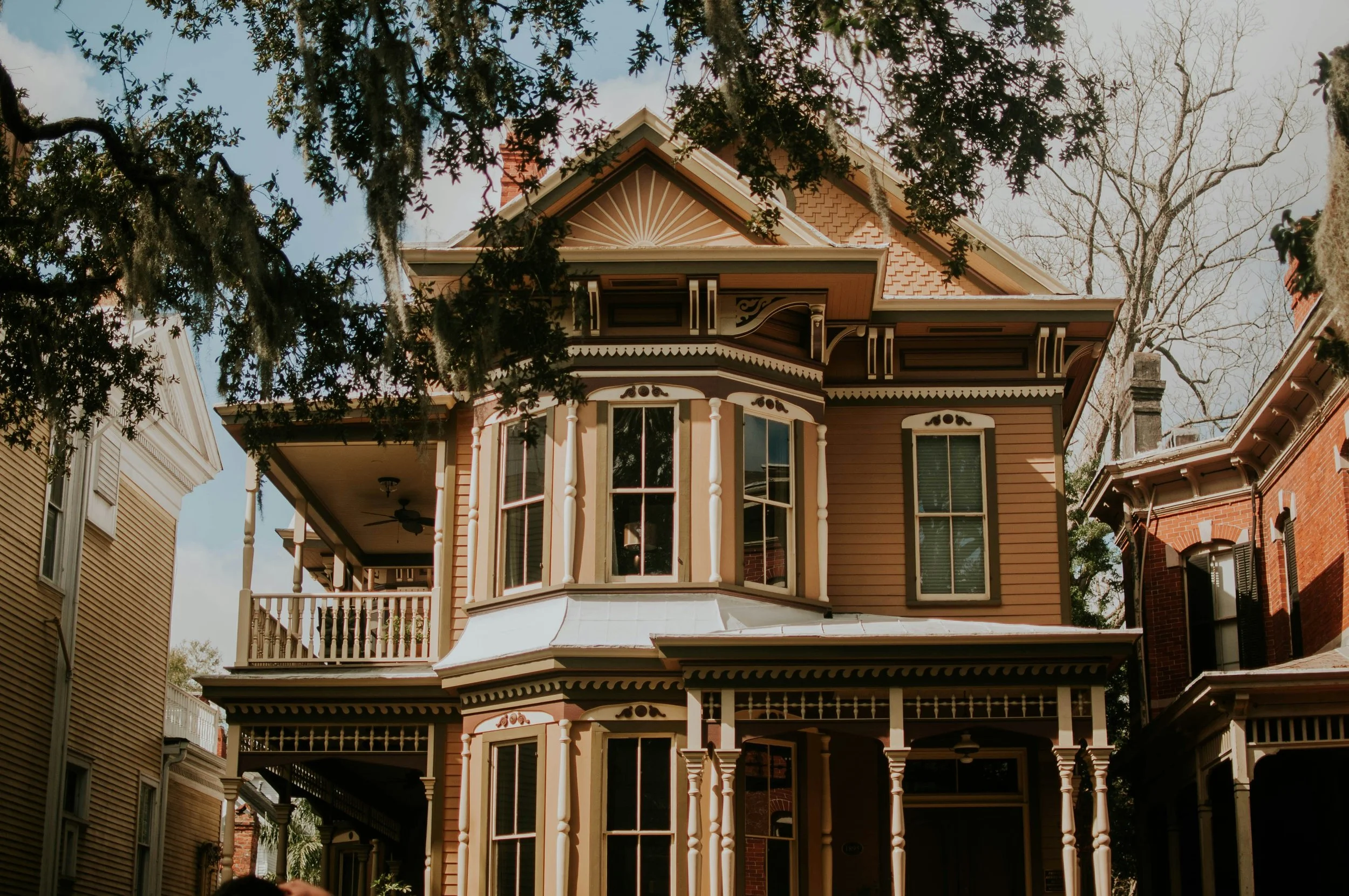
One of the biggest differences with older homes is that every property tends to have its own quirks and history. Floor plans, additions, materials, and prior renovations can vary dramatically even between homes on the same block.
For many buyers, that individuality is exactly what makes historic homes so appealing.
Historic Neighborhoods Offer More Than Just Architecture
Many buyers searching for historic homes are also drawn to the walkability, local businesses, mature trees, and strong neighborhood identity found in many of Cincinnati’s older urban neighborhoods. Areas like Northside, Walnut Hills, Clifton, East Walnut Hills, and parts of Northern Kentucky continue to attract buyers looking for homes with character and architectural detail.
Final Thoughts
Historic homes aren’t for everyone — but for the right buyer, they offer warmth, craftsmanship, and personality that can be hard to find elsewhere.
The key is understanding both the charm and the responsibilities that come with owning an older home. With the right guidance and careful evaluation, a historic property can be an incredibly rewarding investment and place to live.
About the Author
Zach Zegar is a Cincinnati Realtor specializing in historic and character homes throughout Cincinnati and Northern Kentucky.